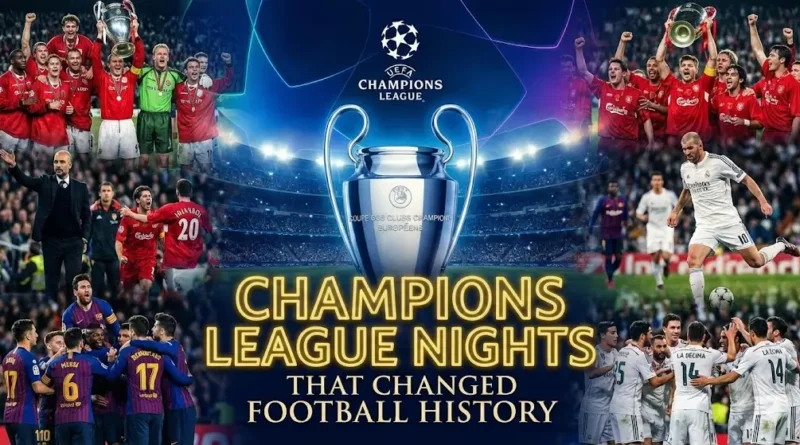
Champions League Nights That Changed Football History
Few competitions in global sports carry the emotional weight of the UEFA Champions League. More than a tournament, it is a stage where pressure, talent, and legacy collide in a single night.
Across decades, certain evenings have reshaped how football is played, managed, and remembered. These moments did not just crown champions; they altered tactics, careers, and even the direction of the sport itself.
When One Match Becomes a Turning Point
What makes a Champions League night unforgettable is not only the final score but the context surrounding it. The tournament gathers elite clubs, world-class players, and massive audiences, creating an environment where a single mistake or moment of brilliance echoes for years.
Some matches shifted the balance of power between leagues. Others changed how coaches approached game management. A few even redefined what fans believe is possible on a football pitch. These nights became reference points, replayed endlessly and discussed whenever drama in football is mentioned.
Tactical Revolutions Born Under Pressure
Several historic Champions League matches forced managers to rethink their approach to the game. High defensive lines, aggressive pressing, and flexible formations were often tested — and sometimes broken — on Europe’s biggest stage.
One famous example involved a team that abandoned traditional defending in favor of constant pressure high up the field. Their success convinced clubs across Europe that physical intensity and coordinated pressing could overpower even the most technically gifted opponents. Within seasons, this philosophy spread across leagues, influencing training methods and recruitment strategies.
Another memorable night showcased the importance of in-game adjustments. A manager’s decision to alter shape midway through a final led to a dramatic momentum shift, proving that adaptability was just as crucial as preparation. Modern football’s emphasis on tactical flexibility owes much to these moments.
The Rise of Legendary Careers
For many players, the Champions League has served as a launchpad to immortality. A single performance under the floodlights can elevate a footballer from star to icon.
There are nights when a forward scores at will, dismantling elite defenses and announcing himself to the world. Other times, a goalkeeper produces an almost unbelievable display, turning away chance after chance and carrying his team through sheer resilience. These performances often define careers, influencing transfer decisions, endorsements, and how players are remembered long after retirement.
The competition has also created unexpected heroes. Squad players, sometimes overlooked domestically, have stepped into the spotlight and delivered decisive contributions. Their stories reinforce the idea that the Champions League rewards mental strength as much as raw ability.
Comebacks That Redefined Belief
Perhaps nothing symbolizes the Champions League more than its dramatic comebacks. These matches challenged the assumption that a tie is decided once a large advantage is established.
On certain nights, teams facing near-impossible odds refused to accept elimination. Fueled by crowd energy and relentless attacking, they turned desperation into momentum. Each goal shifted belief, not only among players but also among millions watching worldwide.
These comebacks changed how teams approach second legs. Coaches became more cautious with large leads, while trailing sides gained confidence that persistence and courage could overturn even the bleakest situations. The psychological dimension of football was never viewed the same way again.
Finals That Reshaped Club Identities
Winning or losing a Champions League final often defines an era for a club. Some victories confirmed long-term dominance, validating years of planning and investment. Others marked the beginning of new dynasties.
Conversely, painful defeats forced clubs to reassess their direction. A lost final sometimes led to major squad overhauls, managerial changes, or shifts in philosophy. In many cases, these decisions eventually produced future success, proving that even failure on the biggest stage can become a catalyst for growth.
Supporters, too, carry these nights with them. A single final can shape a club’s culture, influencing how fans view resilience, ambition, and expectations for generations.
The Globalization of Football’s Biggest Nights
Champions League evenings have played a key role in turning football into a truly global spectacle. Broadcast across continents, these matches introduced new audiences to clubs, players, and styles of play.
As viewership expanded, so did commercial interest. Sponsorships, global fan bases, and international tours grew in importance, transforming clubs into worldwide brands. The competition’s iconic anthem, visuals, and storytelling helped create a shared experience that transcends language and geography.
This global reach also raised standards. Clubs recognized that performances on these nights shaped their international reputation, increasing the pressure to deliver excellence both on and off the pitch.
Why These Nights Still Matter Today
Modern football is faster, more analytical, and more commercial than ever, yet the essence of the Champions League remains unchanged. The competition continues to produce moments that challenge expectations and rewrite narratives.
Each season adds new chapters, but past nights still influence present decisions. Managers study them for lessons, players draw inspiration from them, and fans measure new drama against the legends that came before.
In the end, Champions League nights matter because they capture football at its most intense. They remind us why the sport captivates billions — not just through goals and trophies, but through stories of courage, intelligence, and belief forged under the brightest lights.