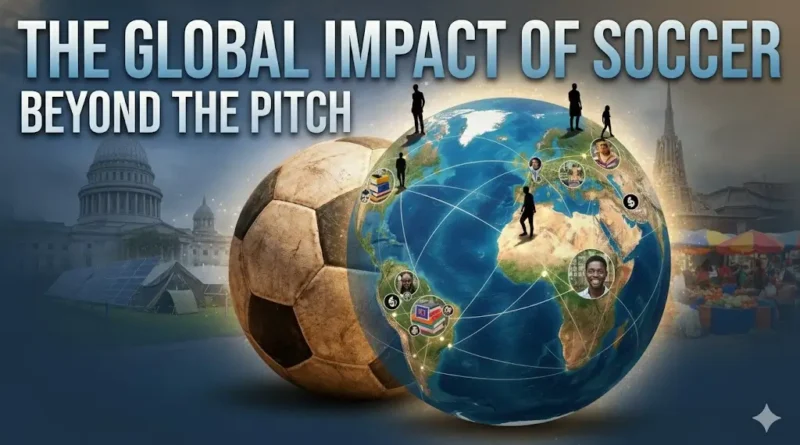
The Global Impact of Soccer Beyond the Pitch
The global impact of soccer beyond the pitch reaches far into culture, economics, education, and social development. While the sport is most visible during matches, its influence extends into everyday life across continents. Soccer has become a powerful connector of people, ideas, and opportunities, shaping communities and identities well beyond stadium walls.
Soccer as a Cultural Connector
Plays a unique role in connecting cultures. It is one of the few global languages understood across borders, regardless of nationality or background. Fans from different countries may speak different languages, but shared support for a team or player creates instant connection.
This cultural exchange happens daily through international competitions, player movement, and global media coverage. Traditions, chants, and styles blend, helping people appreciate different cultures while finding common ground through the sport.
Economic Influence on a Global Scale
The soccer industry contributes significantly to the global economy. Clubs generate revenue through broadcasting rights, sponsorships, merchandise, and tourism. Major tournaments attract millions of visitors, boosting local economies through hospitality and infrastructure spending.
Beyond elite competitions, grassroots soccer also stimulates economic activity. Equipment manufacturing, coaching services, and community leagues create employment opportunities worldwide. Soccer’s economic footprint reaches both global markets and local neighborhoods.
Social Development and Community Building
Soccer has long been used as a tool for social development. Community programs leverage the sport to promote teamwork, discipline, and inclusion. In many regions, soccer provides structure and opportunity for young people facing limited resources.
Nonprofit organizations use soccer-based initiatives to address social challenges such as education access, health awareness, and gender equality. The simplicity of the game makes it accessible, allowing it to serve as a platform for positive change.
Education and Life Skills
Participation in soccer contributes to personal development beyond athletic performance. Players learn communication, leadership, and resilience. These skills translate into academic and professional environments.
Many educational institutions integrate soccer programs to encourage discipline and cooperation. Scholarships and development pathways also provide access to education for talented individuals who might otherwise lack opportunities. Soccer becomes a bridge between sport and personal advancement.
Media, Technology, and Global Reach
Modern media has expanded soccer’s global reach. Digital platforms allow fans to follow teams and players in real time, regardless of location. Social media, streaming services, and mobile applications have transformed how audiences engage with the sport.
This connectivity strengthens global fan communities and amplifies soccer’s influence. Players become global figures, shaping trends in fashion, communication, and lifestyle. Soccer’s presence in digital spaces reinforces its role in modern culture.
Influence on Identity and Belonging
Soccer often plays a central role in personal and collective identity. Supporting a club or national team creates a sense of belonging that spans generations.
For diaspora communities, soccer provides a connection to cultural roots. Watching or playing the sport becomes a way to maintain ties with heritage while integrating into new environments. This emotional connection explains soccer’s deep societal impact.
Soccer and Global Diplomacy
Soccer has occasionally served as a diplomatic bridge. Friendly matches, international tournaments, and shared sporting events have eased tensions and opened dialogue between nations.
While not a replacement for political solutions, soccer creates neutral spaces where cooperation and mutual respect can emerge. The sport’s ability to bring people together highlights its soft power on the global stage.
Health and Wellness Benefits
Soccer promotes physical activity and healthy lifestyles. Its accessibility encourages participation across age groups and skill levels.
Community leagues and recreational programs support mental and physical well-being. By encouraging movement, teamwork, and stress relief, soccer contributes to public health initiatives worldwide.
Gender Progress and Inclusion
The growth of women’s soccer has expanded the sport’s social impact. Increased visibility and investment have challenged traditional barriers and promoted gender equality.
Women’s soccer inspires new generations, creating role models and expanding participation. This progress demonstrates how soccer can influence social norms and promote inclusion across societies.
Environmental Awareness and Responsibility
Soccer organizations increasingly address environmental responsibility. Sustainable stadium designs, reduced waste initiatives, and awareness campaigns reflect growing commitment to environmental issues.
Clubs and leagues use their platforms to promote sustainability, recognizing their influence on global audiences. Soccer’s visibility makes it an effective channel for environmental education and action.
Youth Empowerment and Opportunity
For millions of young people, soccer represents hope and opportunity. Development programs provide pathways to education, travel, and personal growth.
Even for those who do not pursue professional careers, participation builds confidence and life skills. Soccer’s role in youth empowerment underscores its value beyond competition.
The Future of Soccer’s Global Influence
As soccer continues to evolve, its influence beyond the pitch will grow. Technology, globalization, and social awareness will shape how the sport contributes to society.
Clubs, players, and organizations increasingly recognize their responsibility to use soccer as a force for good. This awareness ensures the sport remains relevant not only as entertainment but as a cultural and social institution.
Conclusion
The global impact of soccer beyond the pitch extends into nearly every aspect of modern life. From cultural connection and economic growth to social development and education, soccer influences the world in powerful ways. Its simplicity, accessibility, and emotional reach ensure that soccer remains more than a game — it is a global movement shaping communities and futures worldwide.