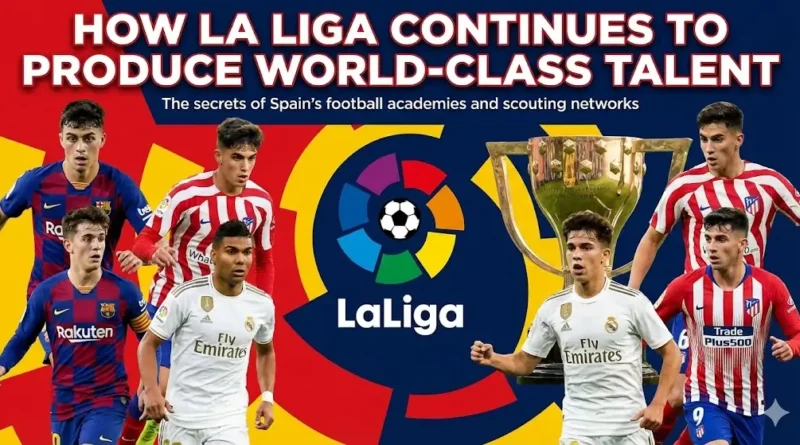
How La Liga Continues to Produce World-Class Talent
How La Liga continues to produce world-class talent is one of the most compelling stories in modern soccer. While many leagues rely heavily on expensive transfers, Spain’s top division has built a reputation for developing elite players from within.
This success is not accidental. It is the result of a deeply rooted system that combines education, culture, and long-term vision.
A Development Model Built on Technique
From an early age, Spanish soccer emphasizes technical mastery. Young players are taught to control the ball comfortably, make accurate passes, and understand positioning before focusing on physical dominance. This philosophy shapes how future professionals approach the game.
La Liga academies prioritize comfort on the ball in tight spaces. Small-sided games are common in youth training, encouraging creativity and quick decision-making. As players progress, these skills become second nature, allowing them to adapt seamlessly to the fast pace of professional soccer.
Tactical Education at Every Level
Another key reason La Liga produces elite talent is the strong emphasis on tactical understanding. Players are taught not just how to play, but why certain decisions matter in different situations.
Young prospects learn to read the game early, recognizing space, movement, and timing. This tactical awareness gives La Liga players an advantage when transitioning to senior soccer, where intelligence often outweighs raw athleticism. Coaches focus on positioning, defensive shape, and ball circulation, ensuring players develop a complete understanding of the sport.
Trust in Youth Opportunities
La Liga clubs consistently give young players opportunities at the highest level. Rather than blocking pathways with short-term signings, many teams integrate academy graduates into first-team squads.
This trust accelerates development. Young players gain experience against seasoned professionals, learning to handle pressure and responsibility. Even mid-table and lower-tier La Liga teams rely on youth to remain competitive, creating an environment where emerging talent can flourish.
The Role of B Teams and Competitive Pathways
Spain’s soccer structure includes reserve teams that compete in professional leagues. This system provides a crucial bridge between youth soccer and top-flight competition.
Players gain exposure to physically demanding matches while remaining within the club’s tactical framework. This continuity helps young athletes adjust gradually to professional demands without losing confidence or identity. As a result, when players reach La Liga, they are already accustomed to high-level competition.
Coaching Philosophy and Education
The quality of coaching plays a major role in player development. Spain invests heavily in coach education, producing instructors who understand both modern soccer principles and youth psychology.
La Liga academies employ coaches trained to nurture creativity rather than restrict it. Mistakes are viewed as learning opportunities, not failures. This environment encourages players to express themselves, take risks, and develop confidence — traits essential for world-class soccer performance.
Cultural Influence on Playing Style
Soccer culture in Spain values intelligence, patience, and technical expression. These values influence how the game is taught and played across generations.
Street soccer, school competitions, and community clubs reinforce a style based on ball control and teamwork. Young players grow up watching La Liga matches that showcase possession-based soccer, reinforcing the techniques they practice daily. This cultural alignment creates consistency from grassroots to professional levels.
Adaptability to Modern Soccer Demands
While tradition plays a role, La Liga has also evolved with modern soccer trends. Clubs now integrate sports science, performance data, and injury prevention into their development programs.
Young players are monitored carefully to balance growth and workload. Nutrition, recovery, and mental preparation are treated as essential components of development. This holistic approach ensures players are physically and mentally prepared to compete at the highest level.
Exporting Talent to the World
The success of La Liga’s development system is evident in the global demand for its players. Spanish-trained athletes thrive in leagues across Europe and beyond, adapting quickly to different styles of soccer.
Their technical foundation and tactical awareness allow them to succeed in faster or more physical environments. This adaptability confirms the effectiveness of La Liga’s training methods and reinforces its reputation as a producer of elite talent.
Financial Sustainability Through Development
Developing talent internally also offers financial stability. Rather than relying solely on expensive transfers, La Liga clubs generate value by promoting youth players and, when necessary, transferring them to other leagues.
This model allows clubs to reinvest in facilities, coaching, and scouting, creating a sustainable cycle of growth. Even teams without massive budgets can remain competitive by focusing on development rather than short-term spending.
Preparing the Next Generation
Looking ahead, La Liga continues to refine its approach to youth soccer. Investment in grassroots programs, technology, and international scouting ensures the league remains competitive in an evolving global landscape.
By maintaining a balance between tradition and innovation, La Liga positions itself to keep producing players capable of excelling at the highest levels of world soccer.
Conclusion
How La Liga continues to produce world-class talent is rooted in a clear identity built on technique, intelligence, and opportunity. Through strong coaching, cultural alignment, and trust in youth, the league consistently develops players ready for the demands of modern soccer. This system not only sustains La Liga’s success but also shapes the future of the global game.